



Moving a Piano: A Practical Guide for Sydney Homes
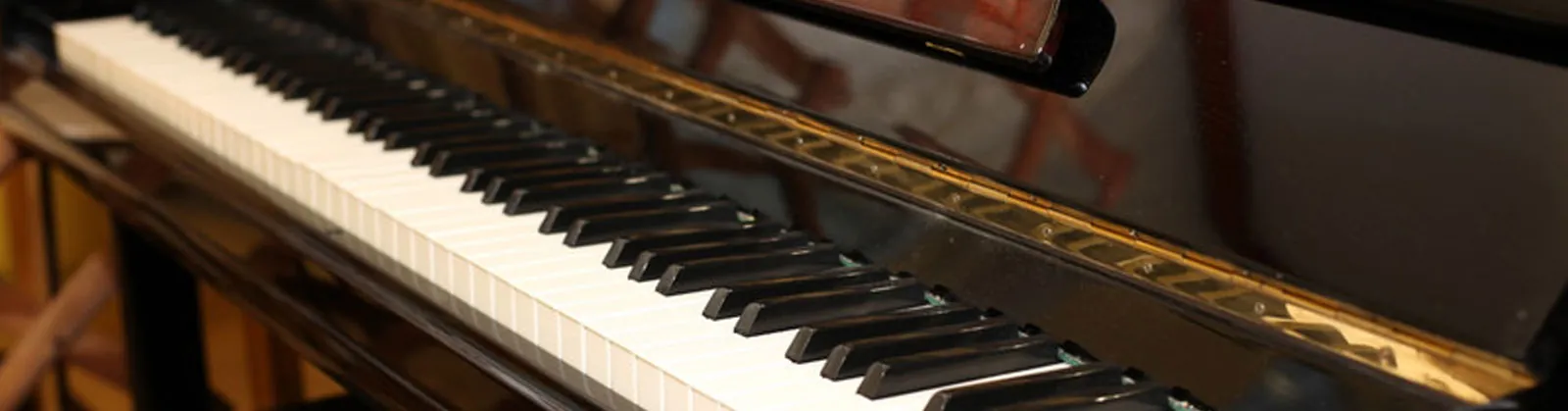
Moving a piano is harder than it looks because the weight is high, it sits in an awkward place, and the instrument is under load the whole time. Yamaha lists its U1 upright at 228 kg, the UK’s Pianoforte Tuners’ Association says an upright’s iron frame puts the centre of gravity close to the back, and Yamaha puts total string tension at around 20 tons. None of that is obvious from the front of the room.
This guide covers how difficult it is, the case against doing it yourself, what shapes the piano moving cost, the access problems that matter in Sydney homes, how to prepare, and when to call the tuner.
We have worked as Sydney removalists for more than 20 years, and our removalists move both upright and grand pianos. If you already want to talk about a booking, start with our piano removals page.
How difficult is it to move a piano?
By hand, very. Three things separate a piano from a fridge or a wardrobe.
It weighs more than it looks
These are published weights from the makers’ own specification pages. Treat them as a guide to your piano, not a measurement of it.
| Piano | Type | Size | Weight |
|---|---|---|---|
| Yamaha b1 | Upright | 109 cm high | 174 to 193 kg |
| Kawai K-300 | Upright | 122 cm high | 227 kg |
| Yamaha U1 | Upright | 121 cm high | 228 kg |
| Steinway K-52 | Upright | 132 cm high | 295 kg |
| Steinway Model S | Grand | 155 cm long | 263 kg |
| Steinway Model D | Concert grand | 274 cm long | 483 kg |
The b1 is a range because Yamaha’s US page and UK page differ. Now compare the K-52 and the Model S. Steinway’s tall upright is 32 kg heavier than its smallest grand, so “it’s only an upright” tells you very little.
The weight sits near the back
The Pianoforte Tuners’ Association explains that an upright’s heavy iron frame sits close to the back, which leaves the piano unbalanced and easy to tip. It also says the small dress castors on many uprights aren’t made for rolling, and that the piano should be lifted onto a trolley.
UK dealer Mark Goodwin Pianos warns that those little brass castors can dig into the floor and send a pushed piano onto its back. So even a short shift across the lounge room deserves respect.
It’s under load the whole time
Yamaha says about 230 steel strings run across a piano’s metal frame. Steinway publishes a tension of 16,875 kg for the K-52, and Yamaha’s care guide puts a single string at about 90 kg. That load doesn’t switch off when the piano leaves the wall, and it’s why a bad knock can cost more than a scratch. The Piano Technicians Guild lists severe moving damage alongside fire and flood as damage that may not be repairable.
Upright and grand pianos are different jobs
An upright travels as a tall, narrow block. A grand is long and low, and the Pianoforte Tuners’ Association says it should be lifted and supported as it moves rather than pushed, with no fewer than three people. We move grand pianos too. If yours is a grand, call 1300 883 117 so we can plan the crew and equipment for your access.
Can you move a piano yourself?
You can try, but we wouldn’t recommend it. Friends and a hired trolley leave very little margin for error.
What SafeWork NSW says about loads like this
SafeWork NSW’s Hazardous Manual Tasks code of practice is written for workplaces, not households, but the physics is the same in your lounge room. It says there is no safe weight for all workers in all circumstances, and it flags loads that can’t be held close to the body or that are unstable or unwieldy. That’s a fair description of an upright piano.
The code says team lifts bring their own risks, and that on steps or a slope most of the weight falls on the people at the lower end. On a staircase, that’s the person underneath the piano. For a team lift, it expects:
- enough people for the weight and the difficulty of the lift
- one person planning and running the job
- enough room for the group to manoeuvre
- a rehearsal, including what to do if something goes wrong
- handling aids such as straps and trolleys
Ask how many of those are true of you and three mates on a Saturday morning.
Lifting technique won’t fix it
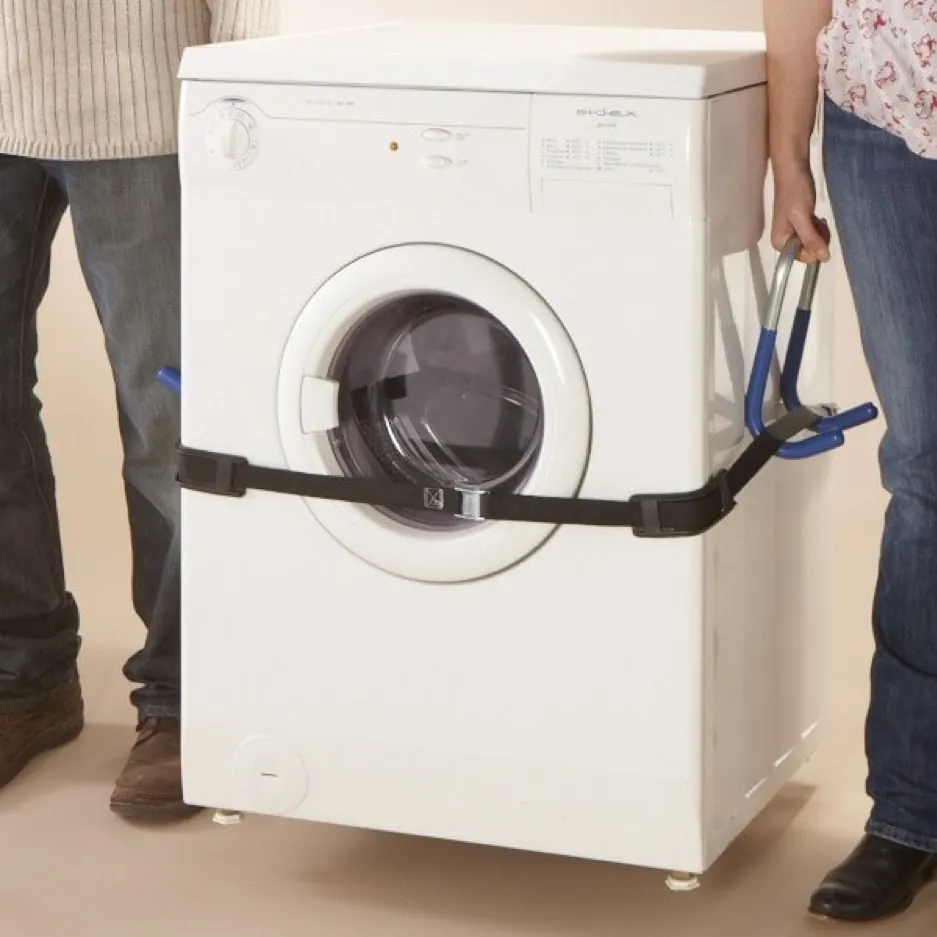
Most guides stop at “bend your knees”. SafeWork NSW’s how to lift FAQ says training in lifting technique doesn’t deal with the source of the risk. Its answer is to change the task. For a piano, that means lifting it as little as possible, on the right equipment, along a route someone has already checked.
How to move a piano out of a Sydney home: access comes first
The piano is only half the job. The other half is the path to the truck, at both addresses.
Stairs
Stairs are the big one. Terraces in Paddington, Newtown and Balmain can have tight internal stairs, and homes on sloping blocks around Mosman and Manly can have a run of steps before you even reach the front door. Count every step at both addresses, including the two at the gate, and note any turn or landing.
Narrow halls and tight corners
The doorway is rarely the real problem, because a piano passes through on its depth. A Yamaha U1 is only 62 cm deep. The corner after the door is harder, because the same piano is 153 cm wide.
We ran the geometry on those published dimensions. To turn a 153 by 62 cm box flat around a right angle, with both halls the same width, you need about 98 cm of hall. The deeper Steinway K-52 needs about 102 cm. That’s before you allow for hands or a trolley, so treat it as a warning sign rather than a rule. If your hall is under a metre, tell us before moving day.
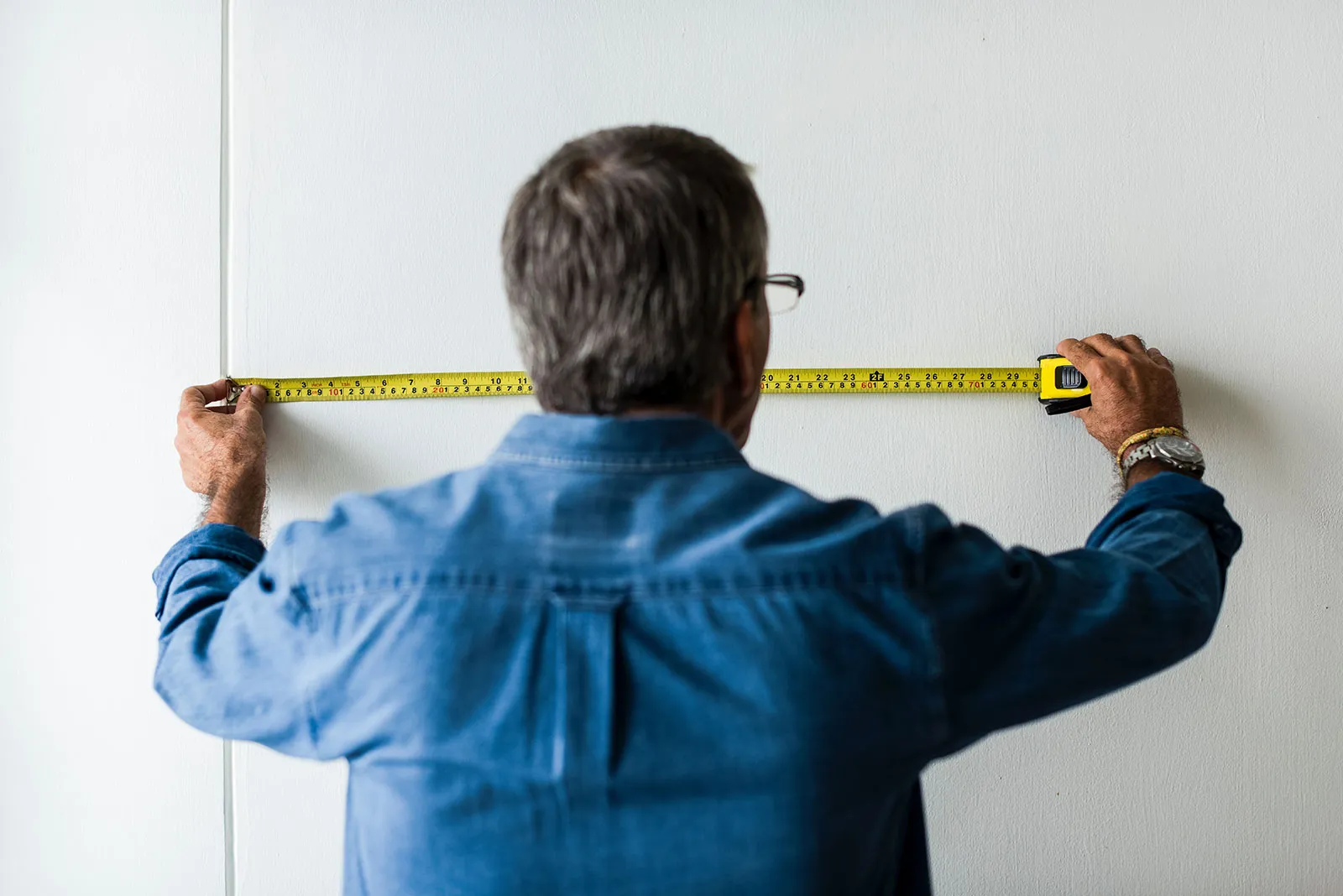
Our guide to fitting furniture through doorways shows how to measure up. One warning: its tip about standing a couch on its side doesn’t carry over. Don’t tip a piano to clear a corner yourself.
Gates, paths and long carries
UK piano tuner David Boyce says an upright needs a proper piano trolley for uneven surfaces, raised door treads and outside paths. Measure side gates, and look for lips, kerbs and slopes between the door and where the truck can stop. A long carry adds time, and it can add to a fixed price.
Lifts and parking
In an apartment block, ask the building manager how to book the lift, then measure the lift door and car and check its rated load. In tight streets such as those around Surry Hills, work out where a truck can legally stop, because no parking near the door turns a short carry into a long one.
How much to move a piano: what shapes the quote
We don’t put a number in a blog post, because any piano moving cost given without your address, stairs and piano in front of us is a guess. A real number comes from a free moving quote. Here’s what shapes it.
- The piano and the stairs. On a fixed price job, extra cost can apply for heavy or specialty items such as pianos, and for large staircases.
- Access. A long carry or no parking at either address can add cost too.
- Time on the job. Local moves are charged at an hourly rate, so anything that slows the job counts.
- Distance. Within Sydney, a call out covers travel time based on distance from our depot, and on regional or longer moves it can also apply to the return.
- What else is moving. We size the truck to the job first, so the rest of your household shapes the quote too.
Once we know your inventory, access and move details, we can quote a fixed price over the phone on 1300 883 117 or after a quick on site or virtual survey. On a fixed price job, extra costs are raised before moving day rather than on it. Our guide to removalist costs in Sydney goes further into how a move is priced.
What is the cheapest way to move a piano?
The cheapest safe way has the least time on the job and no surprises. Doing it yourself only looks cheapest until someone hurts their back or the piano goes over. The honest savings are:
- List the piano with the rest of your move, so it goes in the same single trip.
- Ask about a mid day start. Windows of 11:00 to 14:00 or 12:00 to 15:00 are offered at a reduced rate for Sydney moves.
- Pick a weekday, which can be more cost effective than weekends and peak dates.
- Clear the route before the crew arrive, and give accurate measurements and photos.
How to prepare a piano for moving day
Work through these in order.
- As soon as you have a rough date, find the maker and model, then measure the height, width and depth of the piano.
- Walk the route at both addresses, measuring doors, halls, corners, gates and lifts, and counting every step.
- Photograph the piano’s condition and the route, and include the route details in your quote request.
- Get the quote in writing with the piano on the inventory, and decide on insurance before you book.
- Choose the piano’s new spot, away from direct sun, heating and cooling vents, doors and windows.
- Book your tuner for a date after the move, leaving time for the piano to settle.
- The day before, clear everything off the top of the piano, empty the stool, and take up loose rugs along the route.
- On moving day, close the lid and key cover, keep children and pets clear, and walk the route with the crew before anything moves.
- Once the piano is in place, leave it there and keep the room’s temperature and humidity steady until the tuner arrives.
What our crew does on the day
Our crew work with the kit our local move rate covers: a fully equipped truck suited to the move, plus dollies, trolleys, blankets, straps and ropes. They also provide shrink wrap and other packaging materials on moving day. Tell them if anything has changed since the quote.
Protecting the room and your floors
The piano isn’t the only thing at risk. Clear the hall, take down anything hanging along the route, and photograph door frames at tight spots. Point out polished timber, soft flooring and tiles, and agree how those floors will be protected before anything moves. At the new home, clear the spot first so the piano goes in once. Every extra shift is more work and more risk.
Check how the piano is insured
The NSW Government’s advice on choosing a removalist notes that removalists aren’t required by law to insure your property during a move, so ask. We’re fully insured and AFRA accredited, and our insurance page sets out the options. Additional cover isn’t compulsory. Our full cover includes loss or damage during packing, loading and unloading plus accidental damage, and for a piano that’s the part of the day that matters.
Cover can be on a market value basis, which accounts for age, condition and wear, or a replacement basis up to the value you declare. An old family upright can mean far more to you than its market value, so choose with that in mind. If the piano is an antique, tell us, because antiques and fine art are a named service.
Questions to ask any mover
The Australasian Piano Tuners and Technicians Association warns about “pop-up” piano movers without basic training or safety procedures. That’s a fair test for any business, including us. Ask:
- What piano experience will the crew on my job have?
- What equipment will you bring for my stairs and my route?
- Does the cover include loading and unloading?
- Is the piano on the inventory, in an itemised written quote?
For a rare or valuable instrument, tell us about it when you ask for a quote. Our guide to choosing Sydney movers has more.
Tuning a piano after the move
How long to wait
Longer than most people expect, and sources differ. Piano maker Petrof says to allow about six weeks and to retune after every move. Sonata Piano Tuning in Strathfield advises at least six weeks. KJ Pianos suggests 4 to 12 weeks in the final position, while Melbourne tuner Making Melody Music says about two weeks. We’d pencil in six weeks and let your tuner make the call.
Why the room matters more than the truck
Making Melody Music says it’s less the transport that throws the tuning out than the piano adjusting to its new room. The Australasian association’s FAQ explains the mechanism. As humidity rises, the soundboard’s crown expands and pushes the bridge harder against the strings, so pitch rises. When the soundboard shrinks, pitch falls.
So a short trip can still unsettle a piano. Going from a shaded terrace to a sunny apartment with ducted air may change its conditions more than the kilometres suggest. On interstate removals, mention the piano early and ask your new tuner how long to wait.
Where to put it in the new home
The Piano Technicians Guild says to keep a piano away from vents, stoves, doors, windows and direct sun. Kawai Australia adds breezeways, heaters and air conditioners, and Steinway recommends 40 to 60 percent relative humidity.
One old Australian habit to drop: the bowl of water inside the piano. The association says it’s not recommended today, because it can loosen glue joints and rust strings and springs. Ask your tuner about climate control instead.
If it hasn’t been tuned for a while
The association’s general rule is two tunings a year. If yours has been left for a long time, the pitch may have dropped, and it may need pitch raising before a fine tuning will hold. Its website links to a find a tuner page for NSW. For everything else in the house, see our moving checklist and packing and unpacking service.
Frequently asked questions
How difficult is it to move a piano?
It’s one of the hardest things in a home to move. Published weights for common uprights run from about 174 to 295 kg, the centre of gravity sits near the back so an upright tips easily, and the strings keep the frame under constant tension.
Can I move a piano myself?
We don’t recommend it. SafeWork NSW’s code says there is no safe weight for all workers in all circumstances, and that on steps most of the load falls on whoever is at the lower end. Lifting technique doesn’t fix that. Equipment and a planned route do more.
How much does it cost to move a piano?
We don’t publish a figure, because it depends on the piano, stairs, access at both addresses, travel time and what else is moving. We can quote a fixed price once we know your inventory, access and move details, over the phone on 1300 883 117 or through a free moving quote.
What is the cheapest way to move a piano?
The cheapest safe way is to reduce time on the job. List the piano with the rest of your move, choose a weekday, ask about a mid day start, clear the route first, and give accurate measurements and photos.
How long should I wait to tune a piano after moving it?
Six weeks is a sensible default. Piano maker Petrof says about six weeks, and Sonata Piano Tuning in Strathfield says at least six. Some tuners suggest as little as two weeks, others up to 12, so ask yours.
Does moving a piano put it out of tune?
The new room can do more than the trip. Humidity swells and shrinks the soundboard, which pushes pitch up or down, so a piano needs time to settle. Petrof still says to retune after every move, so plan for a tuning either way.
Can you move a grand piano?
A grand is a different job from an upright. The Pianoforte Tuners’ Association says it should be lifted and supported rather than pushed, by no fewer than three people. Yes, we move grand pianos as well as uprights. Call 1300 883 117 to talk through your piano and your access.